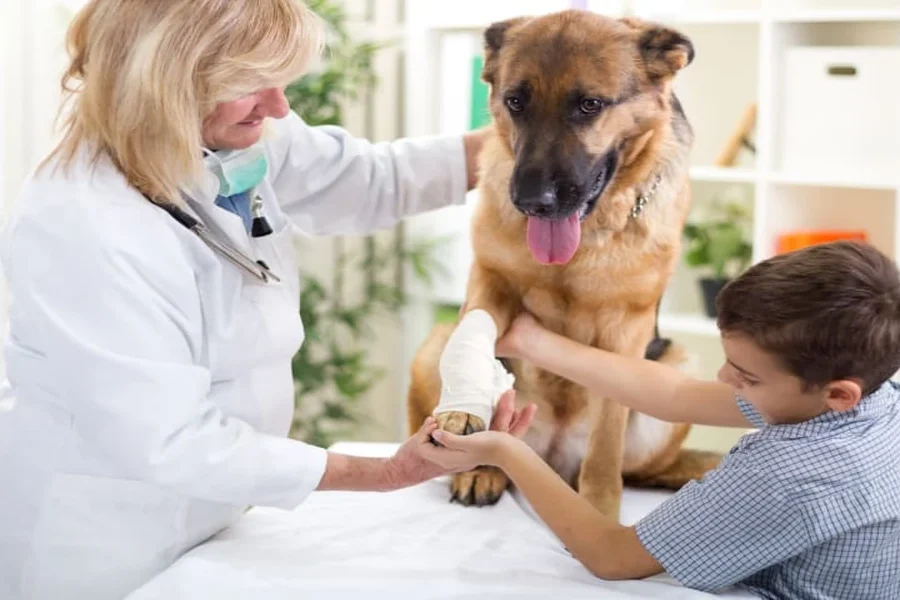
It usually starts small. Your dog or cat coughs a little, seems fine a minute later, then goes back to normal. A day passes, maybe a week, and it happens again. You tell yourself you will keep an eye on it, but once a cough keeps returning, even if it sounds mild, it starts to sit in the back of your mind. You listen more closely at night. You wonder if it is allergies, age, excitement, or something deeper that is easy to miss. In some cases, your veterinarian may discuss advanced options, including laparoscopic surgery for pets in Guelph.
That is where a general veterinarian comes in. How General Veterinarians Approach Mild Coughing That Keeps Returning usually begins with a simple goal, figuring out whether the cough is harmless irritation or an early sign of heart disease, airway trouble, infection, or lung disease. A repeat cough is not always an emergency, but it is rarely something to ignore for long, because the pattern matters as much as the sound.
Recurring mild coughing in pets often points to patterns that need a closer look
A general veterinarian does not jump straight to the worst case. The first step is usually a careful history. When does the cough happen. After exercise. During sleep. When pulling on a leash. After eating or drinking. Around smoke, dust, or perfume. Those details help narrow the list fast.
A cough after activity can raise concern about heart or airway strain. A cough that follows drinking may suggest swallowing trouble or even aspiration, which can lead to pneumonia. Texas A&M explains how aspiration pneumonia in pets can develop when food, liquid, or vomit enters the lungs. A harsh, honking sound in a small dog may point toward tracheal collapse. A soft nighttime cough in an older dog may push a veterinarian to listen very closely for a murmur or fluid changes linked to heart disease.
You may be thinking, but my pet seems normal otherwise. That is common. Mild recurring coughs often show up before appetite drops, before energy changes, and before breathing looks labored. Pets are good at acting normal until they are not.
This is why a general veterinarian starts with a physical exam that is more focused than many owners expect. Heart and lung sounds matter. Gum color matters. Body condition matters. Neck pressure can sometimes trigger a cough during the exam, which gives useful clues. In some pets, the cough is tied to weight gain, dental disease, chronic airway irritation, or breed-related anatomy.
General veterinarians sort through heart, airway, and lung causes before choosing treatment
Treatment depends on the cause, and that is why many veterinarians avoid handing out cough medicine too early. Suppressing a cough without understanding it can delay the real diagnosis. If the issue is heart enlargement pressing on the airways, the plan is different than it would be for kennel cough, collapsing trachea, bronchitis, or early pneumonia.
Heart disease is one reason a mild cough keeps resurfacing, especially in small breed dogs. The University of Illinois shares a useful example in this story about a Chihuahua with a heart murmur, showing how a general practice concern can lead to a more exact cardiac workup when needed.
Airway disease is another common path. In some dogs, especially toy breeds, the trachea weakens and flattens over time. That creates the classic dry, honking cough that comes and goes, often worse with excitement or leash pressure. In more advanced cases, specialists may consider procedures such as those described by the University of Illinois in their overview of tracheal stents for tracheal collapse. Most pets with mild signs are managed far earlier with weight control, harness use, medication, and monitoring.
Recurring cough in pets can also come from chronic bronchitis, upper airway irritation, parasites in some regions, or environmental triggers inside the home. Smoke, scented sprays, dusty litter, and even vigorous play can keep the cycle going. That does not mean the answer is always simple home care. It means the pattern has to be matched to the pet in front of the veterinarian.
Mild cough evaluation often starts with low stress diagnostics and watchful comparison
A general veterinarian often balances cost, stress, and medical value when deciding what to do first. Some pets need chest X rays at the first visit. Others may start with an exam, baseline bloodwork, weight review, and a short recheck window if the cough is truly mild and the pet is stable.
| Finding | What it may suggest | What a general veterinarian may recommend |
|---|---|---|
| Dry honking cough in a small dog | Tracheal irritation or collapse | Chest X rays, harness instead of collar, weight management, cough control if appropriate |
| Cough with a heart murmur or exercise intolerance | Heart enlargement or heart disease | X rays, possible cardiac referral, heart medication if indicated |
| Cough after eating, drinking, or vomiting | Aspiration risk or swallowing disorder | Chest imaging, infection check, feeding adjustments, treatment for pneumonia if present |
| Persistent cough with normal energy but ongoing episodes | Chronic bronchitis, irritation, mild infection | Exam, imaging if the pattern continues, targeted medication rather than blind treatment |
This kind of comparison helps explain why two pets with “the same cough” may leave with different plans. The sound alone does not tell the whole story.
Clear next steps help when coughing keeps coming back
Track the pattern. Write down when the cough happens, what it sounds like, how long it lasts, and what your pet was doing right before it started. A short phone video is often more useful than a verbal description.
Reduce triggers at home. Switch from a neck collar to a harness for dogs that cough on walks. Cut back on smoke, aerosols, and dusty products. Keep your pet at a healthy weight, because extra pressure on the chest and airway can make a mild problem louder.
Book a veterinary exam before the cough becomes “normal.” If the cough has returned more than a few times, or if it is becoming more frequent, your pet needs an exam. Go sooner if you notice faster breathing, tiring easily, appetite changes, fainting, fever, or coughing after meals.
Early veterinary attention gives a returning cough the best chance of staying manageable
A mild cough that keeps returning is easy to push aside because each episode passes. The pattern is the warning. General veterinary care is built for this kind of problem, sorting out what can be monitored, what needs testing, and what should be treated before it turns into a crisis. If your pet has started coughing on and off and you are not sure what it means, schedule a visit with a general veterinarian and bring the details you have noticed. That small step often makes the path forward much clearer.