
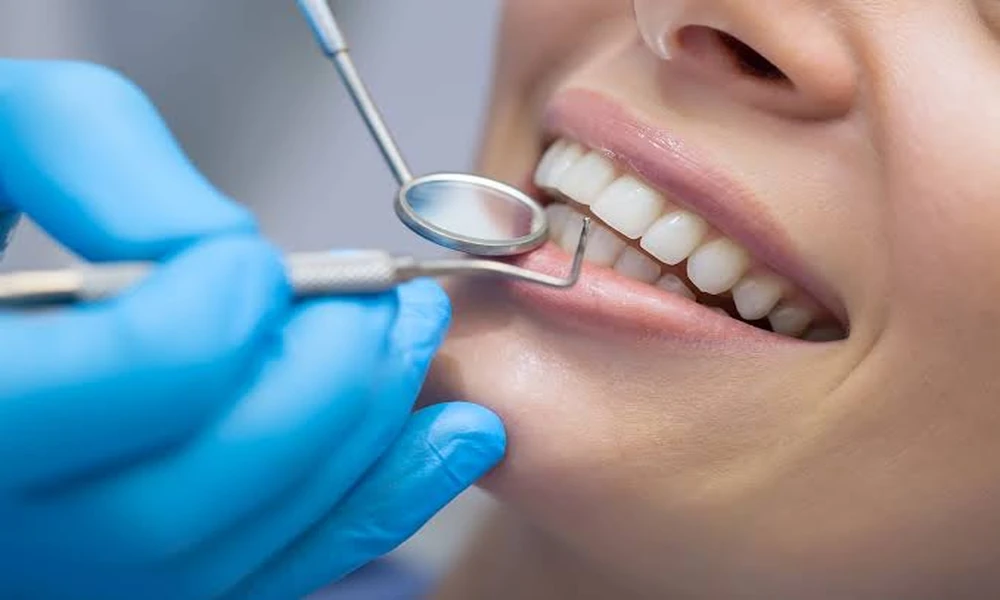
You may be thinking about straighter, whiter, more even teeth, then hear something you did not expect during a cosmetic consultation. Before veneers, bonding, or whitening, the dentist wants to replace old fillings. That can feel frustrating, especially if you came in focused on appearance and left talking about decay, cracks, or leaking dental work. Some patients also ask about invisible aligners in Woburn as part of their overall smile goals.
That reaction makes sense. A smile makeover sounds exciting. Replacing worn restorations sounds like a setback. In many cases, though, it is the step that protects everything that comes next. If a filling is failing, cosmetic work placed around it can lose support, trap bacteria, or break sooner than it should. A stronger foundation usually leads to a better looking result and a longer lasting one.
Failing fillings can undermine cosmetic dental work
Many old fillings do not fail all at once. They wear down slowly, pull away from the tooth, crack at the edges, or allow tiny spaces where bacteria can enter. You may not feel pain right away. You may only notice that food catches in one spot, a tooth feels sensitive to cold, or a once smooth filling now feels rough with your tongue.
That is often where a smile makeover with filling replacement begins. Cosmetic treatments improve shape, color, and symmetry, but they do not erase active decay or repair a weak bite surface underneath. If the tooth structure around a filling is compromised, placing veneers or whitening nearby does not solve the deeper problem.
The National Institute of Dental and Craniofacial Research explains that dental fillings are used to repair damage caused by decay and can be made from different materials, each with its own strengths and limits. Over time, any filling can wear out. The issue is not whether you brushed enough or did something wrong. Teeth take pressure every day, and restorations age with use.
This matters even more in the front of the mouth, where appearance is only part of the job. Front teeth guide speech, support the lips, and handle repeated contact when you bite into food. In the back, old fillings carry heavy chewing forces. A weak restoration in either area can affect comfort, function, and the final look of cosmetic changes.
Replacing old restorations often protects the investment in your smile
You might have one dark filling showing when you smile, or several older fillings placed years ago that no longer match the color of your teeth. Sometimes patients ask for whitening first, then discover that the natural teeth can brighten but the old fillings will stay the same shade. That creates a patchy result. In other cases, a tooth planned for bonding or a veneer has decay under an existing filling, which means the cosmetic plan has to pause until the tooth is healthy again.
A cosmetic dentistry plan after replacing fillings is often more predictable because the dentist is working with stable tooth structure. Margins can be cleaner. Color matching is easier. Bite adjustments are more accurate. The final result tends to feel less like a quick fix and more like real restoration.
There is also a financial side to this. If cosmetic work is done on top of a problem that was already there, you may face more treatment later. That can mean paying to redo work that could have lasted longer with better preparation. Restorative dentistry is not separate from cosmetic dentistry. It supports it.
Research into newer dental materials continues to improve how restorations bond, wear, and blend with natural teeth, but even advanced materials still need a healthy base. A beautiful surface cannot compensate for damaged enamel, hidden decay, or a filling that no longer seals the tooth.
General, cosmetic, and restorative dentistry work best together
When people hear “makeover,” they often picture the visible changes. Dentists see something wider. They look at gum health, bite pressure, old dental work, enamel thickness, and the condition of the teeth under existing restorations. That is why failing filling replacement before cosmetic dentistry is so common. It is not a detour. It is part of the plan.
If a filling has broken, fallen out, or become painful, MedlinePlus outlines how treatment may include replacing the restoration or using a larger repair if the tooth has lost too much structure. You can read more about repair options for damaged fillings and teeth. That kind of decision affects both function and appearance, which is why general, cosmetic, and restorative dentistry often overlap in the same treatment sequence.
| Situation | If failing fillings are replaced first | If cosmetic treatment happens first |
|---|---|---|
| Old filling with a leaking edge | Decay can be removed, the tooth can be rebuilt, and the cosmetic result has stable support | Hidden decay may spread under or around the new cosmetic work |
| Discolored front filling | New material can be matched to the current smile plan | Whitened teeth may make the old filling stand out more |
| Cracked filling on a biting surface | Bite can be balanced before veneers, bonding, or whitening are finalized | Ongoing pressure may damage nearby cosmetic work |
| Multiple aging restorations | Full planning helps stage treatment and control long term cost | Short term cosmetic gains may lead to earlier repairs and repeat visits |
Clear steps help you move forward without guessing
Ask for a foundation first review. If you are considering a smile upgrade, ask your dentist to identify any old fillings, cracks, or areas of recurrent decay before discussing final cosmetic options. That gives you a clearer map of what is elective and what is necessary.
Get photos and a phased treatment plan. Intraoral photos, X-rays, and a written sequence can make the process feel less overwhelming. You can see which teeth need restorative work now and which cosmetic improvements can wait. That helps with budgeting too.
Choose materials based on function and appearance. Some teeth need strength first. Others need the closest color match. Ask which material makes sense for each tooth, how long it may last, and how it fits into the larger cosmetic goal. Good planning is rarely one size fits all.
A healthier base usually leads to a better smile makeover result
If your dentist recommends replacing failing fillings before cosmetic treatment, that does not mean your smile goals are off track. It means the plan is being built to last. The most satisfying smile makeovers are not only brighter or more even. They also feel solid when you chew, speak, and go about daily life without worrying that something underneath was missed.
General, cosmetic, and restorative dentistry work best when they support each other. Starting with the teeth that need repair often gives you a cleaner, stronger path to the look you want.



Leave a Comment