Old metal can pile up quickly after a home improvement project, equipment replacement, or property cleanup, but many people are unsure which items a recycling facility will actually accept. Taking the wrong materials to a scrap yard wastes time and may require another trip. Knowing what belongs in a metal recycling load also helps recover valuable resources instead of sending them to a landfill. This article explains the common types of steel and metal accepted for recycling, where they are commonly found, and how to prepare them before visiting a recycling facility.
Steel Used in Construction and Home Projects
Structural steel remains one of the most common materials accepted through steel recycling in Austin, TX. Steel plate, sheet steel, stainless steel, cast iron, and steel pipe frequently come from home renovations, commercial upgrades, and building maintenance projects. Surface rust or worn finishes do not automatically make these materials unsuitable for recycling because recyclers process them before manufacturing new products. Separating steel from concrete, wood, or insulation also helps improve handling once materials arrive at the recycling yard.
Household Metal That Still Has Recycling Value
Many recyclable metal items stay in garages or storage areas simply because homeowners do not realize they are accepted.
Common examples include:
- Metal patio furniture
- Bicycles
- Pots and pans
- Sinks and faucets
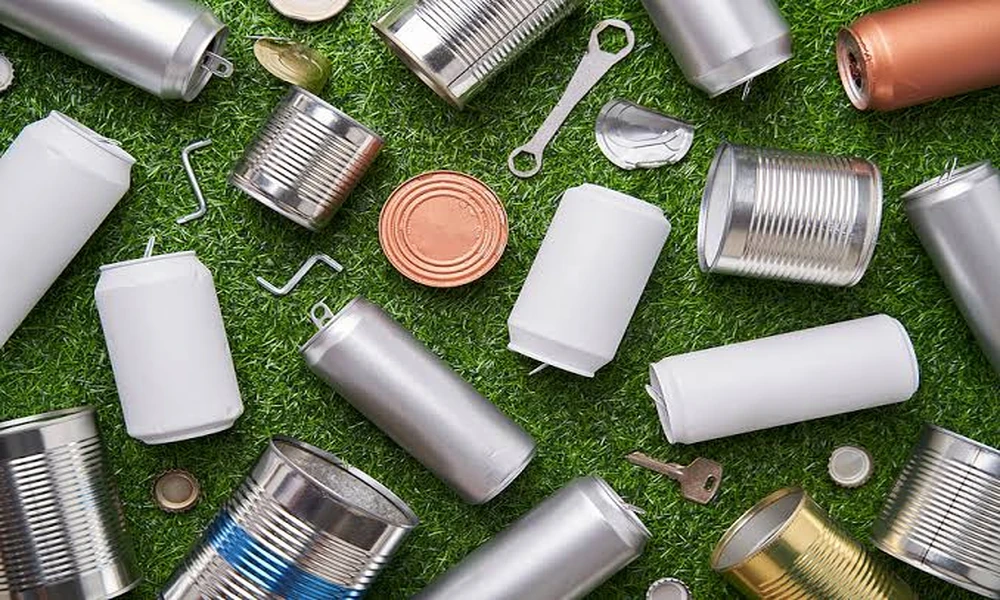
- Metal containers
- Household appliances
According to the American Iron and Steel Institute (AISI), U.S. steelmaking furnaces consume nearly 70 million tons of domestic steel scrap each year to produce new steel, showing how recycled steel remains an essential raw material for manufacturing
Automotive and Equipment Metal
Vehicle repairs and equipment replacement generate valuable recyclable metals that are commonly accepted at scrap recycling facilities. Wheels, engine parts, radiators, transmissions, vehicle frames, motors, and farm equipment contain reusable metal that can return to manufacturing instead of becoming waste. Depending on the recycling facility, non-ferrous metals such as aluminum, copper, brass, bronze, and stainless steel may also be accepted. These materials are typically sorted separately because they follow different recycling processes.
Separate Metal Before Transport
Mixed loads take longer to inspect because different metals require separate processing. Spending a few minutes organizing materials before transport helps simplify unloading and improves recycling efficiency.
Before visiting a recycling facility:
- Keep steel separate from aluminum, copper, brass, and bronze.
- Remove obvious plastic, wood, or rubber attachments when practical.
- Bundle loose copper wire or tubing to simplify handling.
These simple steps also make steel recycling in Austin, TX, more efficient for homeowners, contractors, and businesses bringing larger quantities of scrap metal.
Professional Recycling Makes Large Loads Easier
Large quantities of scrap metal, oversized equipment, and mixed materials require proper weighing, sorting, and handling. Professional recycling facilities use industrial scales and specialized equipment to identify different metals while helping customers determine which materials are accepted. They can also answer questions about preparing unusual items before transport. Homeowners and businesses looking for more information about steel recycling can review accepted materials before making a trip to the recycling yard.
Choosing the right materials for recycling saves time, supports resource conservation, and helps valuable metals return to productive use. Structural steel, household metal, automotive components, and non-ferrous metals all have recycling value when prepared correctly. A quick review of accepted items before loading a trailer or truck helps avoid unnecessary delays and creates a smoother recycling experience. Learning more about steel recycling in Austin also helps ensure recyclable materials are handled responsibly from the start.