The answer to how long can a flower live without water varies more than most people expect. Most cut flowers can survive 1–5 days without water before wilting beyond recovery. However, hardier blooms—like succulents or certain tropical flowers—can last much longer, while delicate flowers like ranunculus or sweet peas may start drooping within just a few hours. Keeping stems in a cool, shaded area can help prolong their life until they can be returned to a vase.
Here’s a breakdown by flower type, plus the tricks that can extend a bloom’s life when you don’t have access to water.
Cut Flower Survival Without Water
| Flower | Without Water | With Fresh Water |
|---|---|---|
| Roses | 1-3 days | 7-14 days |
| Sunflowers | 1-2 days | 6-12 days |
| Lilies | 1-3 days | 7-14 days |
| Tulips | 1-2 days | 5-10 days |
| Carnations | 3-5 days | 14-21 days |
| Chrysanthemums | 3-4 days | 14-21 days |
| Hydrangeas | Less than 1 day | 5-10 days |
| Ranunculus | Less than 1 day | 5-7 days |
| Gerbera daisy | 1-2 days | 7-14 days |
| Orchids (cut) | 2-4 days | 14-21 days |
| Wildflowers | 1-2 days | 4-7 days |
| Succulents (cut) | 7-14 days | Weeks |
Why Flowers Wilt Without Water
Cut flowers are still living tissue – and they lose water through their petals and leaves constantly via transpiration. Without a water source to replace that moisture, cells deflate, stems become limp, and the flower collapses.
The speed of this process depends on:
- Temperature: Heat accelerates moisture loss. A flower in a 90°F car wilts in hours. The same flower in a cool room lasts days.
- Humidity: Low humidity pulls moisture from petals faster
- Stem condition: A clean, fresh-cut stem absorbs water efficiently. A dried or sealed stem can’t take water in even when placed in a vase.
- Petal surface: Large, thin petals (like hydrangeas) lose moisture faster than waxy, thick petals (like orchids or carnations)
The Flowers That Struggle Most
Hydrangeas are notorious water-drinkers. They can go limp within a few hours of leaving water – not because they’re fragile, but because their large flower heads require constant hydration. If a hydrangea wilts, submerge the entire stem (and even the bloom) in cool water for an hour – this rehydration trick works surprisingly well.
Sweet peas, ranunculus, and anemones are similarly sensitive. These are best kept in water at all times when cut.
How to Extend a Cut Flower’s Life Without Water
Sometimes you’re transporting flowers, waiting to arrange them, or just need a few more hours. These tricks help:
1. Wrap in Wet Paper
Dampen paper towels and wrap them around the stem ends. Place the wrapped stems in a plastic bag. This creates a humid microenvironment and slows moisture loss.
2. Keep Them Cool
Temperature is the biggest factor after water. A cool, dark space (55-65°F) dramatically slows wilting. Never leave cut flowers in a hot car.
3. Recut the Stems Before Placing in Water
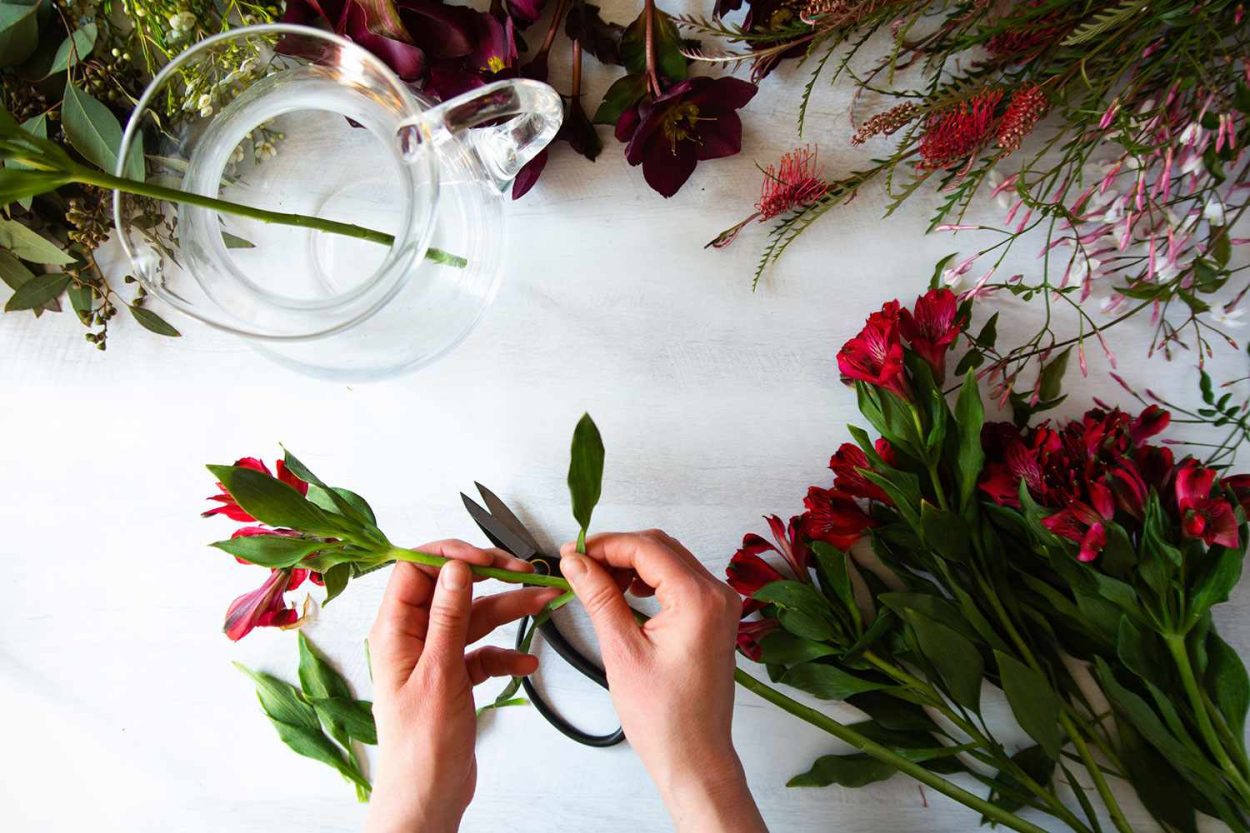
When you do get to water, cut 1 inch off the stems at a 45° angle first. Stems dry and seal over time – the fresh cut opens the vascular channels so the flower can drink immediately.
4. Remove Excess Leaves
Leaves compete with blooms for whatever moisture the stem has stored. Strip any leaves that would sit below the water line or near the flower head.
Potted Plant vs Cut Flower
For potted plants, “without water” survival depends on the species entirely:
- Succulents and cacti: weeks to months
- Peace lily: 7-10 days before permanent damage
- Pothos: 1-2 weeks (will wilt but recovers)
- Ferns: 1-3 days (very sensitive)
- Orchids: 1-2 weeks with proper humidity
The key difference is that potted plants have roots – they can draw on stored moisture in the soil. Cut flowers have none of that reserve.
The Bottom Line
Most cut flowers live 1-3 days without water before the damage becomes irreversible. Carnations and chrysanthemums are your most water-independent options. Hydrangeas and ranunculus need water almost constantly. And regardless of flower type – keeping them cool is the single most effective thing you can do when water isn’t available.