
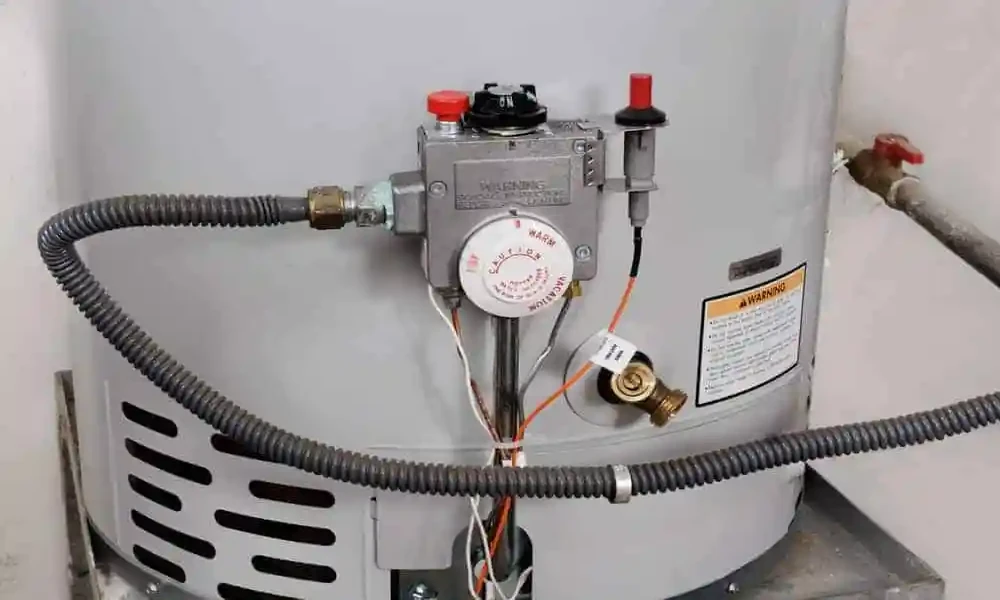
In late summer, the water entering a home along the east bench of Davis County can arrive at the meter close to 60 degrees. By January, that same supply often comes in somewhere in the low 40s. Nothing about the pipes or the appliance has changed, yet the heater now has to work noticeably harder to deliver the same shower, and families feel it as the hot water fading faster every morning.
Most people assume their equipment is failing when this happens. Sometimes it is. More often the heater is doing exactly what it was built to do, just under conditions it was never sized for.
That gap between summer performance and winter reality is a big part of why homeowners researching Centerville water heaters end up with more questions than answers. Goff Plumbing, a Farmington company owned and operated by a family of Utah natives, services tank and tankless models across Davis County, keeps its trucks stocked for same-visit repairs, and writes out its pricing before a single fitting is touched. Before calling anyone, though, it helps to understand why cold weather changes the math.
The Arithmetic Hiding Behind a Cold Shower
Every water heater is really measured by temperature rise, meaning how many degrees it can add to incoming water. If your heater is set to 120 degrees and the inlet water is 60, it needs a 60 degree rise. When the inlet drops to 42, the rise jumps to 78. That’s roughly 30 percent more work for every gallon, and it comes straight out of the hot water you get to use.
A tank heater compensates with stored volume, so the change shows up as a shorter run before things turn lukewarm. A tankless unit has no reserve to draw from, so it either reduces flow or delivers cooler water. The Department of Energy’s guide to sizing a new water heater builds its tankless calculations around exactly this rise, and it’s worth reading before you shop, because a unit sized in July can disappoint in February.
What a Tank Feels in January
Storage heaters carry a first hour rating, the number of gallons they can deliver in an hour starting from a full tank of hot water. That rating assumes moderate inlet temperatures. In midwinter, the effective figure slides downward, and the recovery rate, how quickly the burner or elements reheat a fresh tank, slows down as well.
Hard water makes the winter squeeze worse. Davis County supply carries plenty of calcium, which settles as a layer at the bottom of tank heaters. On gas models, that sediment sits between the flame and the water like a blanket, so the burner runs longer while less heat actually reaches the water. If your heater pops or rumbles on cold mornings, you’re hearing steam bubbles forcing their way up through that crust.
The tempting fix is to crank the thermostat up. A hotter tank does stretch the supply because you blend in more cold water at the tap, but water at 140 degrees can scald skin in seconds. If you raise the setting, a thermostatic mixing valve on the outlet keeps the water leaving the tank at a safe temperature while the tank itself stores more usable heat.
Tankless Units and the Altitude Problem
On-demand heaters face a double challenge on the Wasatch Front. Colder inlet water cuts their flow, and elevation trims their output. Centerville sits well above 4,000 feet, where thinner air carries less oxygen for combustion. Gas appliances lose a few percent of their capacity for every thousand feet of elevation, and many tankless models need a high altitude setting adjusted during installation to burn correctly.
Put those factors together and a unit advertised at around 9 gallons per minute might realistically deliver closer to 5 in winter. That’s enough for one long shower and a running dishwasher, but two showers at once can push it past its limit. Snow is another quiet nuisance. Sidewall vents and air intakes that sit low on an exterior wall can be blocked by drifts, which shuts the heater down until someone clears them.
Heat Pump Models in Cold Spaces
Hybrid heat pump water heaters pull warmth from the surrounding air, which makes them remarkably efficient in a warm basement mechanical room. Put one in an unheated garage on the north side of a house, though, and it spends much of the winter falling back on its electric resistance elements. It still works, but much of the efficiency you paid for disappears until spring. Location matters as much as the model.
Small Adjustments Before Anything Gets Replaced
Several fixes can recover a surprising amount of winter capacity, and they are worth trying in roughly this order.
- Flush the tank to remove sediment, which restores heat transfer on gas units and protects elements on electric ones.
- Have the dip tube checked. If this plastic tube cracks, incoming cold water mixes into the top of the tank instead of the bottom, and hot water seems to vanish almost immediately.
- Inspect the anode rod, the sacrificial metal rod that corrodes so the tank lining doesn’t. Hard water and softened water both affect how fast it wears.
- Insulate exposed hot water lines running through crawl spaces, garages and unfinished basements so heat isn’t lost before water reaches the faucet.
- Stagger heavy uses, such as running laundry after the morning shower rush instead of during it.
- Swap in a WaterSense showerhead, which cuts flow without making showers feel thin.
Knowing When Winter Is the Final Verdict
If the heater still comes up short after maintenance, the honest conclusion may be that it was undersized from the start or has simply aged out. Tank models typically last around 10 to 12 years, and mineral-heavy water tends to shorten that. Rusty hot water, moisture around the base, or a tank that is past its second decade all suggest replacement rather than repair.
Any new installation in Utah also brings a few local requirements into play. Tank heaters need seismic strapping because of the Wasatch Fault, and many homes need a thermal expansion tank once a pressure reducing valve or check valve closes off the system. Gas models need proper venting and combustion air, and switching from tank to tankless often means a larger gas line and new vent routing, which affects the total cost.
The smartest replacement decision gets made with January in mind, not September. Size the next heater for the coldest inlet water your home will see, pick a location that keeps it warm and accessible, and treat the water before it ever reaches the tank. Do that, and winter mornings stop feeling like a race to be first in the shower.

Leave a Comment