
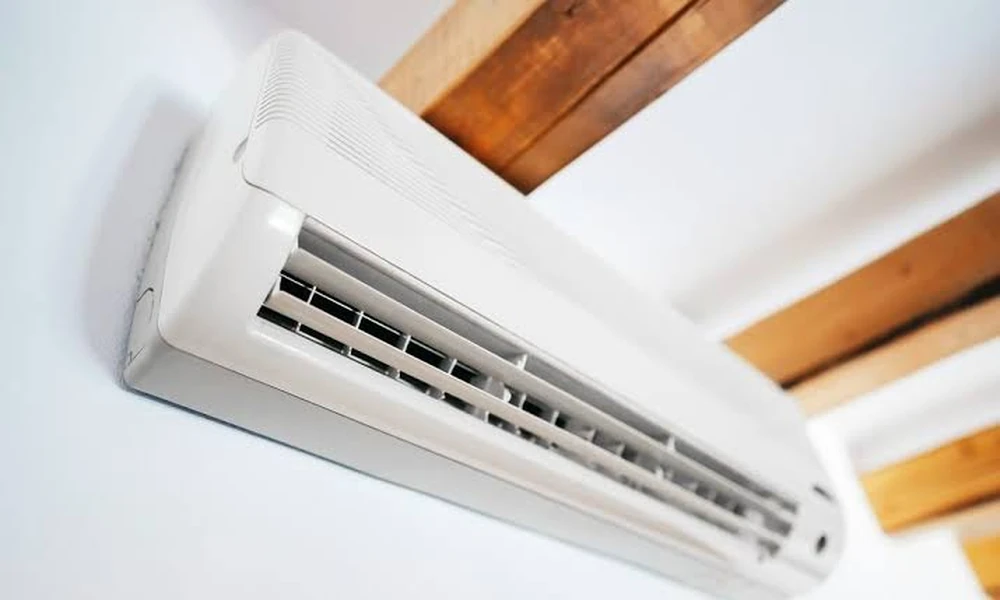
Ten years ago, almost nobody I knew in the Valley had a heat pump. Today, it’s the first thing I ask about when a neighbor mentions a failing air conditioner. The technology flipped from niche to default faster than any other home upgrade I’ve watched, and the reason isn’t marketing. It’s math.
Here’s the honest version: a heat pump does the same job as your AC for most of the year, then handles the mild winter too, all from one box. If your system is on its last legs and you’re weighing replacement, timing the swap before it dies on a July afternoon saves you money and misery. That’s why so many homeowners now plan ahead for heat pump installation in Tempe AZ rather than waiting for a breakdown.
Over the next few minutes I’ll walk you through how these systems actually work in desert heat, when replacement makes sense, and what to confirm before anyone touches your equipment. You’ll finish knowing enough to ask better questions and spot a lazy quote.
How a Heat Pump Actually Cools Your House
That outdoor unit sitting in your backyard is already a heat pump. Your air conditioner doesn’t create cold. It grabs heat from your indoor air and dumps it outside. A heat pump just adds a reversing valve, so in winter it pulls heat from the outdoor air and moves it inside instead.
That reversing trick confuses people in Phoenix. The question I hear most is whether there’s any heat worth pulling from 45 degree air. There is. Even chilly outdoor air holds thermal energy, and a modern system can extract it. The catch is efficiency. As outdoor temperatures drop, the unit works harder for the same result, which is exactly why cold climate models exist and why your contractor should mention the difference.
According to the Department of Energy, heat pumps can deliver several times more heating energy than the electricity they consume, which is the core reason they’ve taken over new construction. In our climate, that ratio looks favorable almost year round.
Why Desert Homes Are Switching Now
Three forces converged. Equipment got better, refrigerant rules changed, and homeowners got tired of maintaining two separate systems.
The mandate shift matters more than most people realize. Older refrigerants are being phased down nationwide, pushing manufacturers to redesign their lineups. Walk into any supply house and you’ll notice the traditional split system options thinning out. Heat pumps filled that gap, and once builders started installing them by default, the price gap narrowed.
Then there’s the maintenance angle. One system means one filter schedule, one service visit, one thing to remember. I’ve watched homeowners forget their furnace filter for three straight winters because it lived in a closet they never opened. Fewer systems, fewer blind spots.
If you’re early in the research phase, the National Renewable Energy Laboratory publishes solid background on residential heat pump performance across different climates. Worth an evening read before you collect bids, because it’ll help you tell a thoughtful quote from a rushed one.
Is Your Current System Telling You It’s Time?
Heat pumps don’t usually fail overnight. They send signals for months. You just have to listen.
- Repairs are stacking up, and the last two invoices each topped a few hundred dollars
- Some rooms never reach the temperature you set, no matter how long the system runs
- Your summer electric bills climb even though your habits haven’t changed
- The outdoor unit rattles, hums, or smells off when it kicks on
- The equipment is past the ten to fifteen year window most residential units deliver
One of those alone isn’t a verdict. Three or more, and you’re probably spending good money after bad. The financial argument for replacing early is simple: you choose the timing instead of a 110 degree afternoon choosing it for you.
A Sizing Reality Check Before You Sign Anything
Bigger is not better. I’ll say it louder for the folks comparing tonnage like horsepower. An oversized heat pump cools your house fast, then shuts off, then repeats. That short cycling wears out components, leaves humidity uneven, and costs you comfort in ways a spec sheet won’t show.
Correct sizing runs on a load calculation, sometimes called a Manual J. It accounts for your square footage, window orientation, insulation, ceiling height, and how much sun that west facing wall eats every afternoon. It takes an hour or two. Any contractor who skips it and matches your old unit’s tonnage is guessing, and you’re paying for that guess.
The Air Conditioning Contractors of America maintains the standards behind proper load calculations, which is a useful name to recognize when you’re comparing proposals. A written load calc in the packet tells you the contractor did real work before quoting.
What a Quality Installation Looks Like
Here’s the walkthrough I’d want as a homeowner, and the sequence I’d expect from any crew worth hiring.
- Load calculation first. Before equipment recommendations, before pricing. If it’s missing, ask for it.
- Duct inspection. Leaky ducts in an attic can waste a big chunk of what your new system produces. Sometimes the ducts matter more than the equipment.
- Written scope. Line set, pad, disconnect, thermostat, permit. Every item in writing, no verbal add-ons later.
- Commissioning. After install, the tech measures airflow and refrigerant charge and shows you the numbers.
- Filter and thermostat walkthrough. You should leave the conversation knowing how to run your own system.
That fourth step separates real installers from box swappers. A system can be perfectly sized and still underperform if the charge is off by a little. Ask for the commissioning readings and watch how the crew reacts. The good ones hand them over without blinking.
Your First Month: What “Normal” Feels Like
New heat pumps behave differently than the system you had for a decade, and that surprises people. Run times get longer. Air from the vents feels less icy. Both are by design, because slower, steadier operation is how these units hit their efficiency numbers.
Give yourself a full cooling season before judging. Track your bills month over month, note which rooms feel different, and write down anything odd instead of trying to remember it in August. Two things I’d set up right away: a filter reminder on your phone every 60 to 90 days, and a thermostat schedule that lets the house warm up a few degrees while you’re at work. Small habits, real money over a summer.
One more thing worth doing. Ask your installer what maintenance the warranty requires, then put those visits on the calendar now. Manufacturers care about documented service, and skipping it can complicate a future claim.
The Bottom Line
A heat pump is the rare upgrade that simplifies your life while it cuts your energy use. One system, two seasons, fewer surprises. The trick is treating the decision like a project instead of an emergency, which means researching now, getting a load calculation, and choosing an installer who shows their work.
If your system is sending signals, don’t wait for the hottest week of the year to act. Get quotes while you have the luxury of time, and ask each contractor what their commissioning process looks like. What’s your current system telling you?



Leave a Comment