
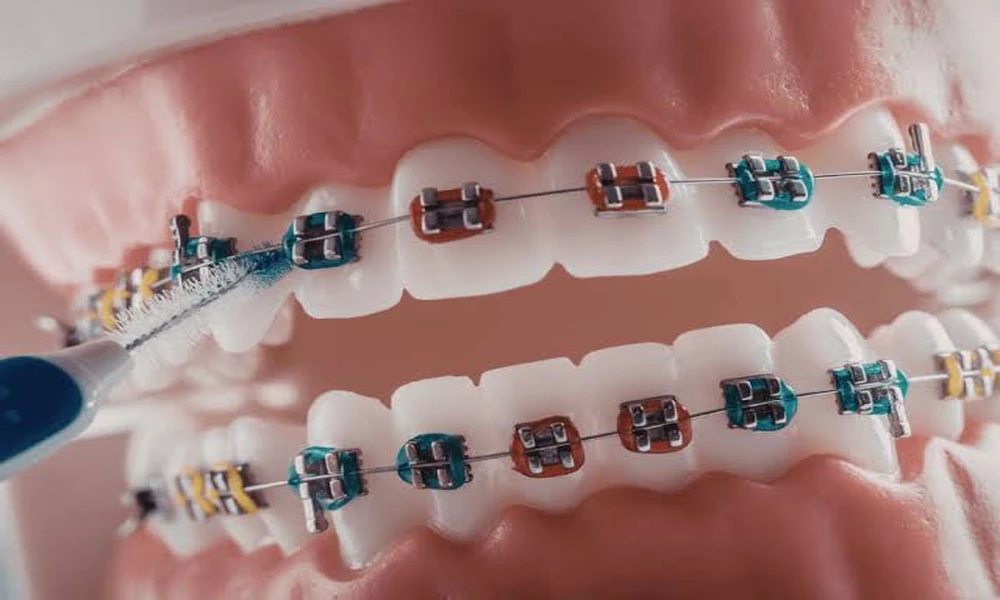
You already know dental care can turn into a juggling act. One office handles cleanings and fillings, another tracks braces or aligners, and somehow you are the one expected to keep the records, remember the timelines, and make sure nothing gets missed. That gets old fast, especially when your teeth do not fit neatly into one category. A crooked bite can affect wear, cleaning habits, gum health, and long term comfort. General care and orthodontic care often overlap, and when they are split between offices, the gaps can show. That is why many families look for quality dental care in Rowlett that brings these needs together in one place.
A one stop dental model solves a very real problem. When a general dentist and orthodontist work under the same roof, your care tends to be simpler, more connected, and easier to follow through on. You spend less time repeating yourself, less time coordinating appointments, and you get a fuller picture of what your mouth needs now and later. Those are the three advantages that matter most, especially if you want care that fits real life instead of adding more stress to it.
One Stop General And Orthodontic Care Creates Better Coordination
Teeth rarely move in isolation. If you need a cavity filled, gum inflammation treated, or wisdom teeth monitored while you are also considering braces or clear aligners, those decisions affect each other. In a split care setup, one provider may focus on alignment while another focuses on decay or gum health, and you are left hoping everyone is on the same page.
That hope is not always enough. You might start orthodontic treatment only to find out later that a small untreated cavity has become a bigger issue. You might be told your bite needs correction, yet no one has fully explained how that bite is affecting tooth wear or jaw strain. When care is coordinated in one office, planning gets tighter. Your general dentist and orthodontist can spot timing issues early, adjust treatment in the moment, and reduce the chance that one step delays the next.
This matters for prevention too. Daily habits still do the heavy lifting, and trusted public health guidance from the CDC oral health tips for adults makes that clear. Regular brushing, flossing, and dental visits lower the risk of problems that can interfere with orthodontic progress. When your providers are connected, those prevention efforts are easier to reinforce because the whole team sees the same pattern.
Integrated dental and orthodontic care often leads to fewer missed details, and missed details are where frustration usually starts.
Combined General Dentist And Orthodontist Visits Save Time And Reduce Mental Load
Time matters, but mental load matters just as much. It is not only the drive across town or the extra time off work. It is the forms, the calls, the insurance questions, the copy of records one office forgot to send, and the feeling that your treatment is now a part time job. If you have a child in braces, or if you are balancing your own treatment with a busy schedule, you know how quickly “just one more appointment” becomes a burden.
When general dentistry and orthodontics are in the same practice, scheduling tends to be cleaner. Exams, cleanings, progress checks, X rays, and treatment planning can often be arranged with fewer separate visits. If something changes, the team can respond faster because they do not need to start from scratch with outside communication.
The result is not just convenience. It is better follow through. People are more likely to keep appointments and stay on track when the process feels manageable. Oral health guidance from the National Institute of Dental and Craniofacial Research supports the value of steady home care and routine professional oversight. Simpler systems make that consistency easier.
One stop dental care helps remove the friction that causes treatment delays, and delays are often where small issues turn into expensive ones.
General Dentist And Orthodontist Care in One Place Supports Long Term Results
Straight teeth are not the whole story. Teeth also need to be healthy, stable, and easy to maintain. A beautiful smile that is hard to clean or built on untreated gum problems does not hold up well. Long term success depends on the relationship between alignment, bite, enamel, gums, and habits.
This is where a shared care model stands out. A general dentist can monitor signs of decay, grinding, recession, or plaque buildup during orthodontic treatment. An orthodontist can adjust movement if the bite is creating uneven pressure or making cleaning harder. Instead of reacting late, the team can make changes while treatment is still in motion.
Reliable patient education from MedlinePlus dental health resources reflects the same truth. Dental health is connected. Bite alignment, hygiene, gum condition, and routine care all influence each other. A general dentist and orthodontist working together can support results that look good and function well.
Practical Differences Between Split Care And One Stop General And Orthodontic Care
| Care Factor | Separate Offices | One Stop Care |
|---|---|---|
| Treatment planning | Records and recommendations may move slowly between providers | Shared planning can happen faster and with fewer gaps |
| Appointments | More travel, more scheduling coordination, more missed work or school time | Fewer separate visits and easier timing |
| Problem detection | Issues may be spotted later if providers are not communicating closely | General and orthodontic concerns can be reviewed together |
| Patient stress | Higher because you often manage updates and next steps | Lower because the office handles more of the coordination |
| Long term maintenance | Follow up may feel fragmented after orthodontic treatment ends | Ongoing dental care stays connected to alignment results |
Simple Steps You Can Take Right Away
Ask how treatment is coordinated. If you are choosing a provider, ask who reviews your overall plan, how records are shared, and how dental issues are handled during orthodontic treatment. Clear answers usually signal a stronger system.
Get a full picture before starting braces or aligners. A cleaning, exam, and review of cavities, gum health, and bite function can prevent delays later. Straightening teeth goes more smoothly when the foundation is solid.
Protect the result with daily care. Brush twice a day with fluoride toothpaste, clean between your teeth, and keep regular checkups. Orthodontic treatment is easier to maintain when your routine is steady.
One Connected Dental Plan Makes Care Easier to Keep
If dental treatment has felt scattered, you are not imagining it. Managing separate providers can wear you down, and it can make good care harder to maintain. The main advantages of one stop general and orthodontic care are simple. Better coordination, less stress, and stronger long term results. If you are ready for a more connected approach, reach out and schedule a visit to talk through your options.



Leave a Comment