Gridlock, frustration, and safety risks are all too common when road projects are underway. Yet, behind every successful project lies careful planning of traffic control, a process that determines not only how smoothly vehicles flow, but also how safely workers and the public navigate these temporary disruptions.
Understanding Traffic Control in Road Projects
Traffic control is more than just signs and cones. It is the strategic management of vehicle and pedestrian movement around construction zones. At its core, it ensures both safety and efficiency: the public avoids confusion and danger, and workers can focus on their tasks.
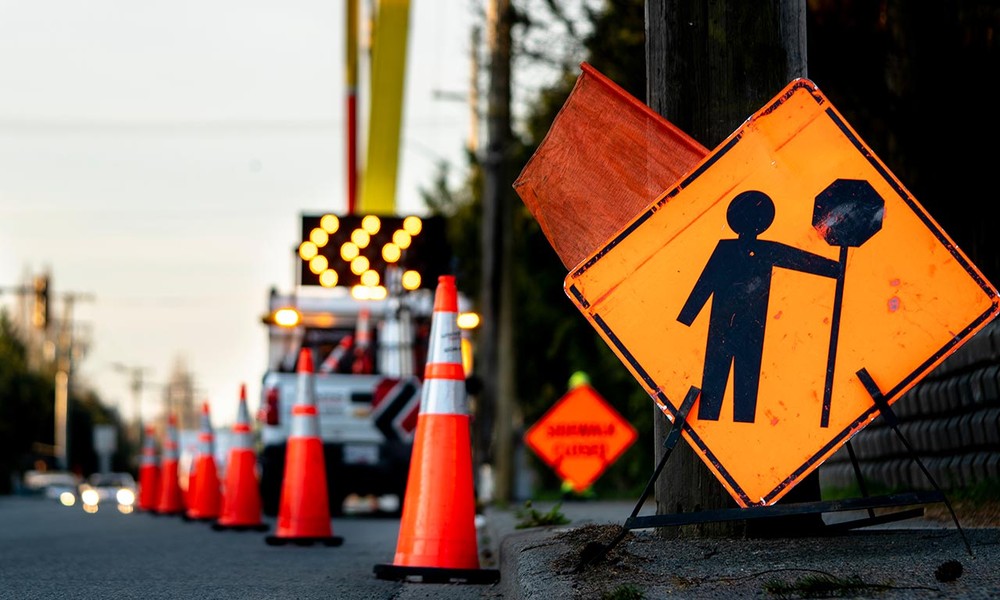
Several methods are employed depending on the road type, traffic volume, and project complexity. Flagging crews are often used on two-lane roads with alternating traffic, while lane closures and detours handle larger, busier projects. Effective traffic control requires collaboration between project managers, municipal authorities, law enforcement, and traffic control providers. Each stakeholder brings a unique perspective, ensuring the plan covers regulatory, safety, and logistical considerations.
Comparing Traffic Control Strategies
Not all traffic control methods are created equal. Traditional flagging uses trained personnel to direct traffic, providing flexibility but demanding constant vigilance. Automated systems, such as temporary signals or electronic signage, reduce the need for human presence but may lack adaptability in rapidly changing conditions.
A closer look at lane management strategies also reveals significant differences. Static lane closures are straightforward but may cause prolonged congestion, while dynamic lane management adjusts closures in real time to minimize impact. Manual traffic direction offers high control but relies on worker concentration and clear communication; temporary signals provide automation but can struggle with complex scenarios.
Safety Considerations and Risk Management
Worker safety sits at the heart of any traffic control plan. Flaggers and crew must follow strict protocols, including high-visibility gear and clear roles, to reduce the risk of injury. Automated systems minimize human exposure to hazards, but these must be properly installed and monitored.
Public safety demands just as much attention. Well-marked detours, advance warnings, and visible barriers are essential. Integrating emergency response protocols ensures rapid reaction if an accident or hazard occurs, with plans including clear access routes for ambulances and emergency vehicles.
Efficiency and Project Impact
Time is money, and nowhere is this truer than on a busy roadway. The choice of traffic control method directly affects setup and removal times, which in turn impact project duration and commuter frustration. For example, a flagging crew can mobilize quickly for short, intermittent closures, while automated barriers are better suited for extended projects.
Traffic flow disruption can make or break public perception. Comparing the approaches:
| Method | Setup Speed | Impact on Flow | Flexibility | Cost |
|————————-|————-|—————|————-|———|
| Manual Flagging | Fast | Moderate | High | Medium |
| Temporary Signals | Moderate | Low | Medium | High |
| Static Lane Closure | Fast | High | Low | Low |
| Dynamic Lane Management | Slow | Low | High | High |
Cost implications extend beyond labor. Poorly executed plans can lead to delays, complaints, and even legal issues. Choosing the right balance is essential for staying on time and within budget.
Regulatory Requirements and Compliance
No plan stands alone; it must satisfy rigorous municipal and provincial regulations. Securing a Road Occupancy Permit (ROP) often means submitting detailed diagrams that go beyond standard templates, such as those in Ontario’s OTM Book 7. Complex projects may face additional requirements, including public consultations or environmental assessments. Compliance is not just about ticking boxes, it ensures every stakeholder is accounted for and every risk is addressed.
Customization and Flexibility in Traffic Control Plans
Every road project is unique. Urban worksites demand different approaches than rural highways. High-traffic corridors may benefit from dynamic lane management and real-time monitoring, while rural projects might rely on basic flagging and static signage. The ability to tailor solutions, adjust plans on the fly, and incorporate new technologies is vital. Providers like Salus Traffic Control emphasize adaptable, client-focused strategies to deliver both safety and efficiency for any scale of project.
Evaluating Reliability and Contractor Selection
Choosing the right traffic control partner can make all the difference. Look for a track record of reliability, robust training programs, and a commitment to safety. Compare in-house teams with outsourced providers, while in-house control offers direct oversight, specialized contractors bring experience, equipment, and regulatory expertise. Real-world case studies consistently show that expert-led management leads to smoother projects and fewer incidents.
Future Trends in Traffic Control for Road Projects
Innovation is reshaping traffic control. Smart sensors, connected signage, and data analytics are making work zones safer and more responsive. Sustainability is also moving into the spotlight, with eco-friendly materials and reduced idle times lowering environmental impacts. As smart cities take shape, seamless integration between infrastructure and traffic management will become standard.
Effective traffic control is both an art and a science. By balancing safety, efficiency, compliance, and adaptability, project teams can deliver smooth journeys, even in the midst of disruption.