Farmers face the constant challenge of keeping equipment safe, livestock protected, and daily work on track. The right farm structure makes all the difference between a smooth operation and constant setbacks. A reliable building holds up through harsh winters, wet springs, and the demands of heavy daily use. Strong construction also adds long-term value to any property.
Agricultural post-frame buildings have become one of the most trusted choices for farmers who need durable, cost-effective structures that hold up under tough conditions. This article covers the most dependable types of agricultural buildings farmers count on year after year.
Pole Barns & Machine Sheds
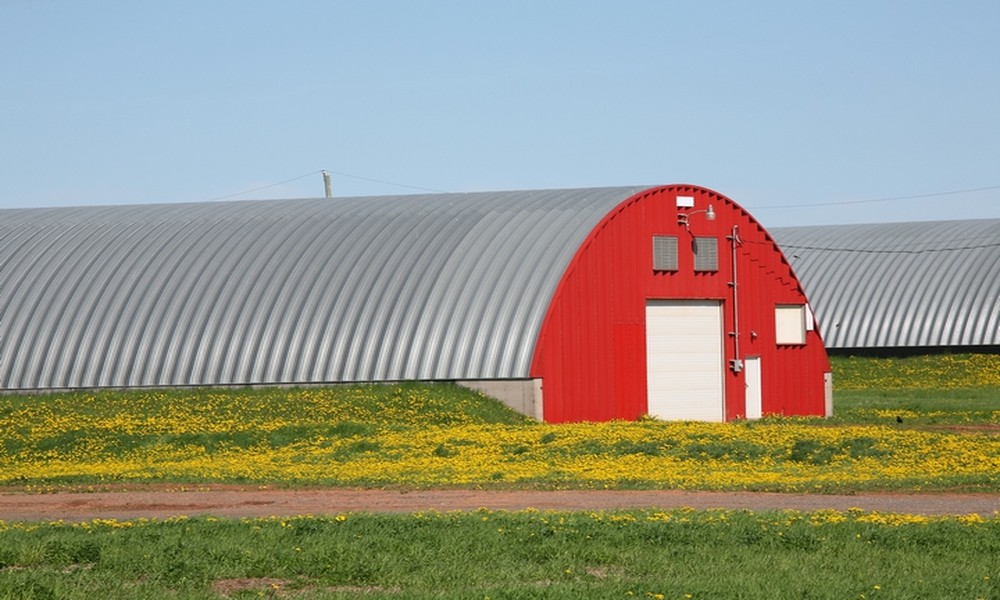
A pole barn gives farmers a wide, open interior with no load-bearing walls in the way. It creates essential storage space for tractors, hay, tools, or your entire equipment fleet. That means large tractors, combines, and other heavy equipment fit inside with ease. The clear-span design also makes it simple to move around and get work done without obstacles.
Machine sheds take that protection further by giving dedicated shelter to valuable equipment. Exposure to rain, snow, and UV rays shortens the life of any machine. A solid shed keeps repair costs down and extends the working life of every piece of equipment stored inside.
Confinement Buildings
Livestock need a safe, clean, and well-ventilated space to stay healthy and productive. A confinement building provides exactly that. Proper airflow reduces moisture buildup, which helps prevent disease and keeps animals comfortable through every season. These durable, well-ventilated structures are ideal for livestock housing and long-term agricultural use.
These structures also hold up well under constant daily use. Farmers rely on them for cattle, hogs, poultry, and more. The durable construction handles heavy foot traffic, waste, and the wear that comes with managing animals day in and day out.
Workshops & Farm Shops
Every farm needs a dedicated space for repairs and maintenance. A farm shop keeps tools organized and gives farmers a place to work on equipment without delay. So when something breaks down during a busy season, there is a proper space to fix it fast. A well-built workshop also protects tools and parts from the elements. Exposed to weather, small parts rust, and tools degrade quickly. Therefore, a dry, secure shop extends the useful life of supplies and keeps the whole operation running smoothly. A good farm workshop typically includes:
- Space for equipment repair and maintenance
- Storage for tools, spare parts, and supplies
- Workbenches for daily repair tasks
- Electrical outlets for power tools and equipment
- Large doors for tractors and machinery access
- Proper lighting for safe and efficient work
These features help farmers stay organized, reduce downtime, and keep equipment in good working condition throughout the year.
Multi-Purpose Structures
Not every farm fits neatly into one category. A multi-purpose structure gives property owners the flexibility to use space however the operation demands. From she-sheds to storage garages, these structures cover a wide range of farm-related uses. Some use them for extra storage, others as hobby spaces or small business areas on the property.
These structures also work well for seasonal needs. Hay storage in the fall, equipment prep in the spring, and extra workspace year-round are all practical uses. Agricultural post-frame buildings designed for multi-purpose use make it easy to adapt the space without major renovations.
The right agricultural building protects what matters most on a farm – equipment, animals, and daily workflow. Each structure type serves a specific purpose, and together they form the backbone of a well-run operation. Farmers who invest in quality construction spend less time dealing with damage and downtime. A strong, dependable structure pays for itself in protection and long-term savings.